 Back
BackCreative Talk with Matthew Watkins, Founder of Special Studio
How did Special Studio come to be?
Special Studio grew from a desire to find better ways of making things and to bring manufacturing back to New Zealand. Having worked in product design for a decade, I became frustrated with long lead times, complex supply chains and a lack of design freedom — it just wasn't sustainable, and it was far too slow.
That frustration drove me to better understand why we make things the way we do, and in doing so I realised there's a much better way to design, produce and distribute products.
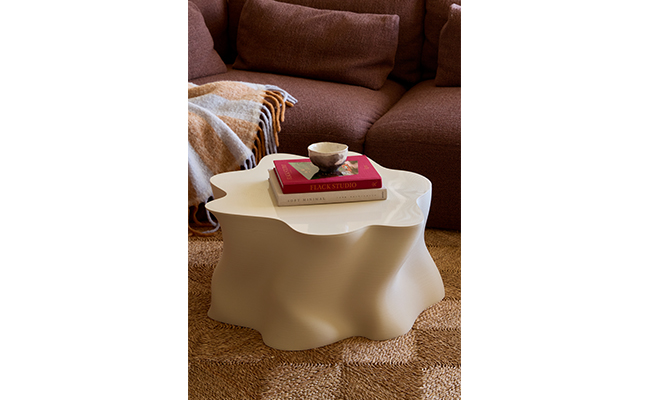
I started with the material — finding something ubiquitous, low cost and easy to process — which led me to plastic. From there I went looking for the most flexible manufacturing process, and 3D printing allowed me to create new products daily, achieve a great finish and iterate quickly. A lot of people say 3D printing can't be used for mass production. I think we've successfully challenged that.
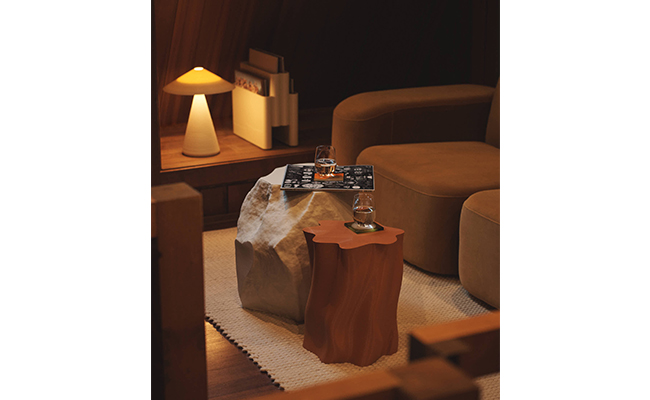
Do you see yourself as a tech business, curated artist or a homeware shop?
None of the above. We're a direct-to-consumer manufacturing and distribution company. The tech is the tool, the ability to make what we sell is the superpower, and the design and brand is where the value sits.
Do you come up with the ideas and designs for the homewares and furniture?
Yes — I do all of the product design, with the exception of our artist collaborations. We're a super small team; there are only two of us full time, so we wear a lot of hats. My core role is leading the technology side, designing products and producing our marketing content.
Where or who do you get your inspiration from?
I actively try not to follow others in the 3D printing industry — doing so tends to produce the sameness you see across a lot of 3D printed products.
I love mid-century design and futuristic approaches to manufacturing. When I sit down to design something, it feels more like playing a video game than working; I let ideas flow and try to have as much fun as possible. Within the broader industry, Kooij is a brand I very much admire.
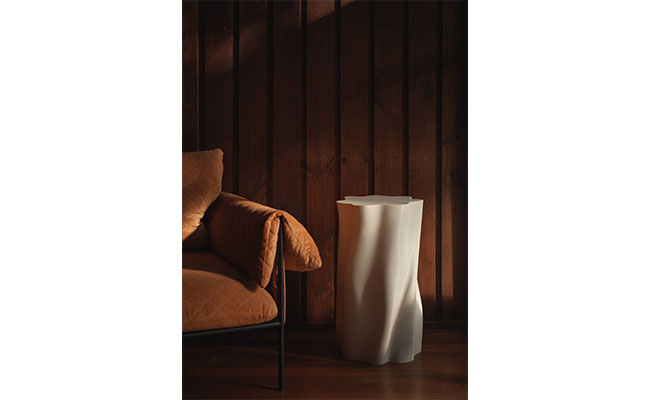
You use 3D printing with recycled waste plastic — is this using an off-the-shelf 3D printer?
We have around 20 machines of different types, including machines we've designed and built ourselves. All of them have been customised to suit our style of printing.
It's a bit like painting — sure, all painters use paint, but there are many different types and styles of brushes. Our approach is fairly unique in terms of physical scale, and working with recycled materials introduces challenges that require custom systems and processes.
The short answer is no.
Where do you source your recycled plastic from?
We have a range of sources — from Europe and Australia through to Asia. We've also recently partnered with Tauranga City Council on a material development project using standard takeaway coffee cups. It worked really well.
Based in Mount Maunganui, do you find it easy to source local talent?
We work with a lot of designers and artists both in New Zealand and abroad. We operate in a fairly unique space, so talent is scarce, to say the least. There are maybe 20 to 50 companies globally operating at this scale, which makes finding the right people one of our biggest ongoing challenges.
Do you ship offshore — and if so, how do you offset the sustainability impact?
We do — around 50% of our products ship to Australia, and we have customers in the USA, the UK and Europe too.
The long-term goal at Special Studio has always been to make products as close to the customer as possible. Our 12-month challenge is to refine our systems so we can establish studios abroad to service each market locally. We're getting close, so watch this space.
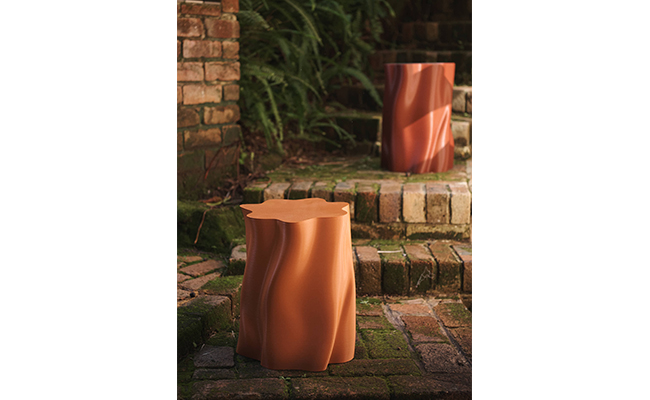
What's your plan for the international market — retail, direct-to-consumer, or something else?
Our long-term goal is to build a distributed manufacturing network, where each studio has its own retail experience and distribution centre. That completely removes the need for international shipping and ties directly into our tagline: Objects Made Here.
Beyond that, the goal is to also source local materials in each market — fully closing the loop.
Do you have a favourite piece?
The Lulu Stool. Check it out here
Any last words?
Stop fighting technology and take advantage of the tools available to you. New Zealand is in a unique position to capitalise on emerging technologies, but Kiwi innovators often lack the capital and support needed to succeed.
I've been incredibly fortunate to be backed by investors willing to share both their capital and expertise. Look at the success stories here — Halter, Rocklabs, Team NZ — all of them make physical things and solve real-world problems.
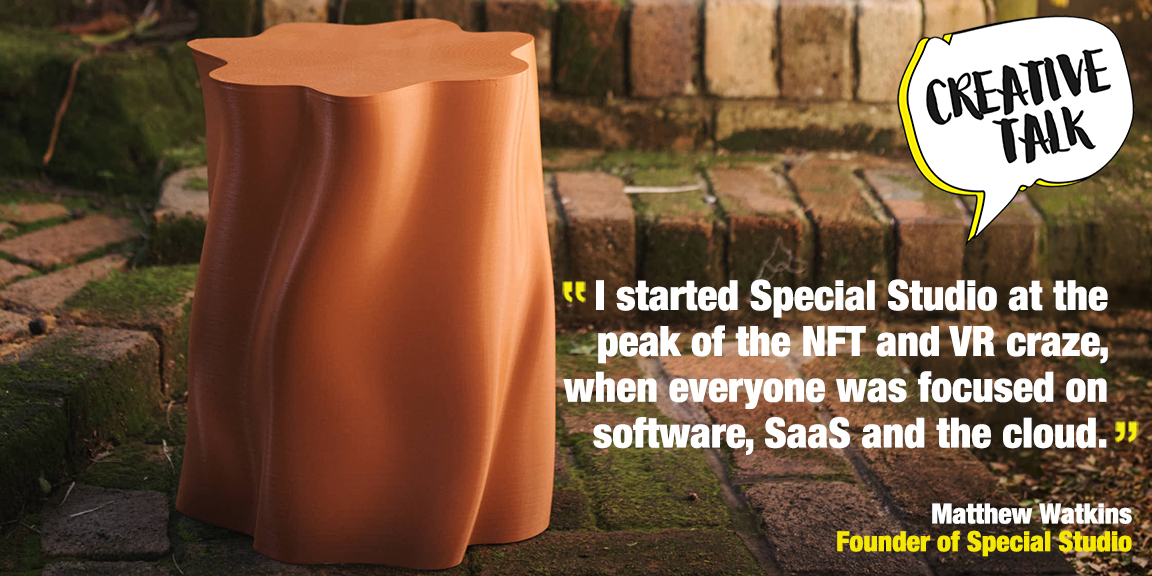
I started Special Studio at the peak of the NFT and VR craze, when everyone was focused on software, SaaS and the cloud. Those of us who stayed focused on the physical world have managed to grow and stay afloat.
We need to build resilience into our economy. Given the advancements in AI, digital fabrication, robotics and material science, there's really no reason to import anything — perhaps besides some raw materials. The value-add should happen here, and I think we've proved that it can.