

 Back
Wildwood: The Exhibition Reveals How Laika Builds Stop-Motion Worlds
The Design Museum’s spellbinding behind-the-scenes show explores the practical craft and expertise within the animation studio’s work.
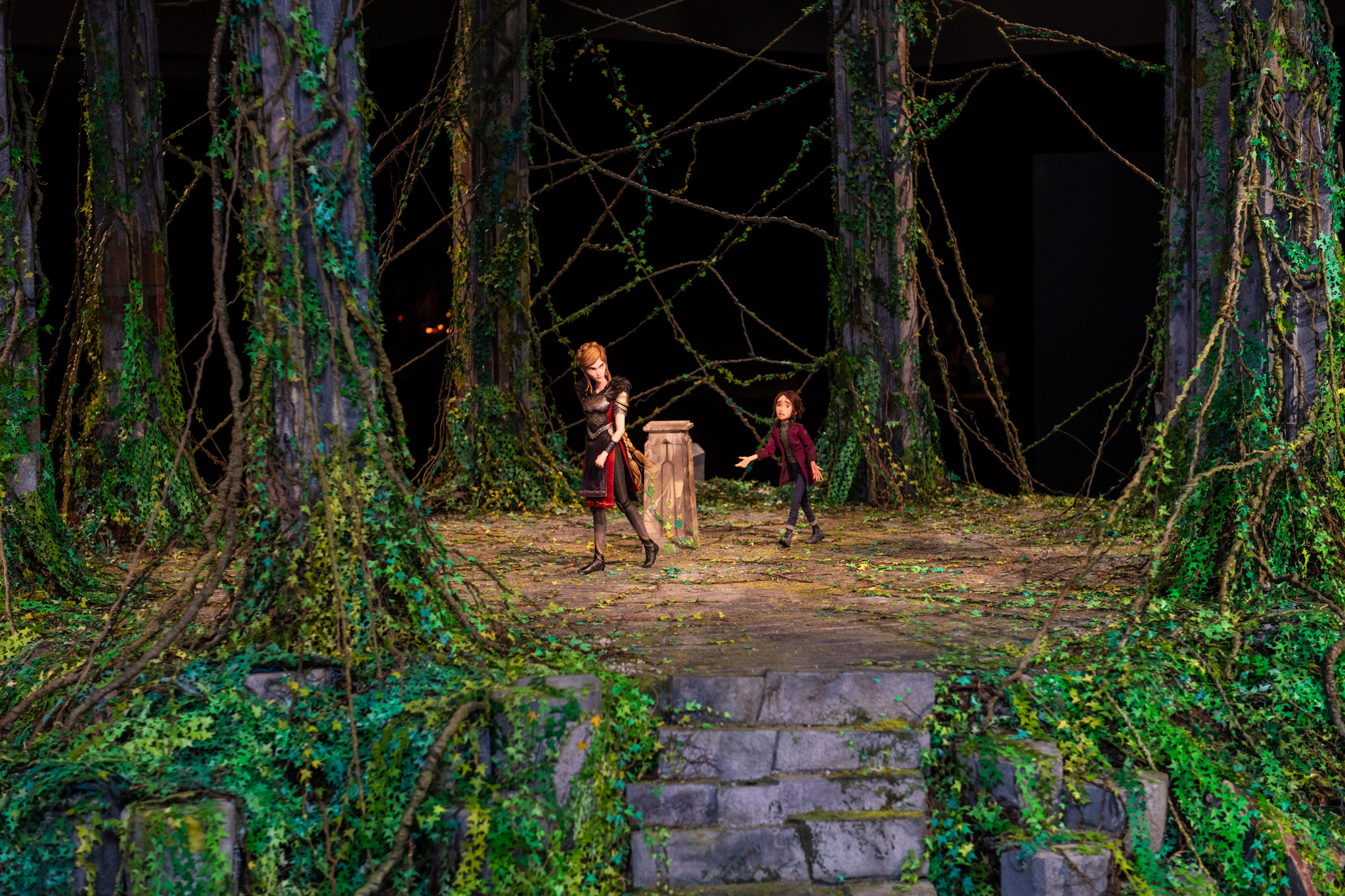
There’s something slightly surreal about walking through a museum and suddenly finding yourself deep inside an enchanted forest. That’s the feeling evoked by Wildwood: The Exhibition, which offers a close-up look at the making of Laika’s latest stop-motion epic.
Running at London’s Design Museum, the show highlights the Portland-based animation studio’s painstaking production process, covering everything from the earliest concept sketches to the meticulously crafted miniature sets, puppets and costumes that eventually appear on screen.
Photos: Aaron Parsons for the Design Museum
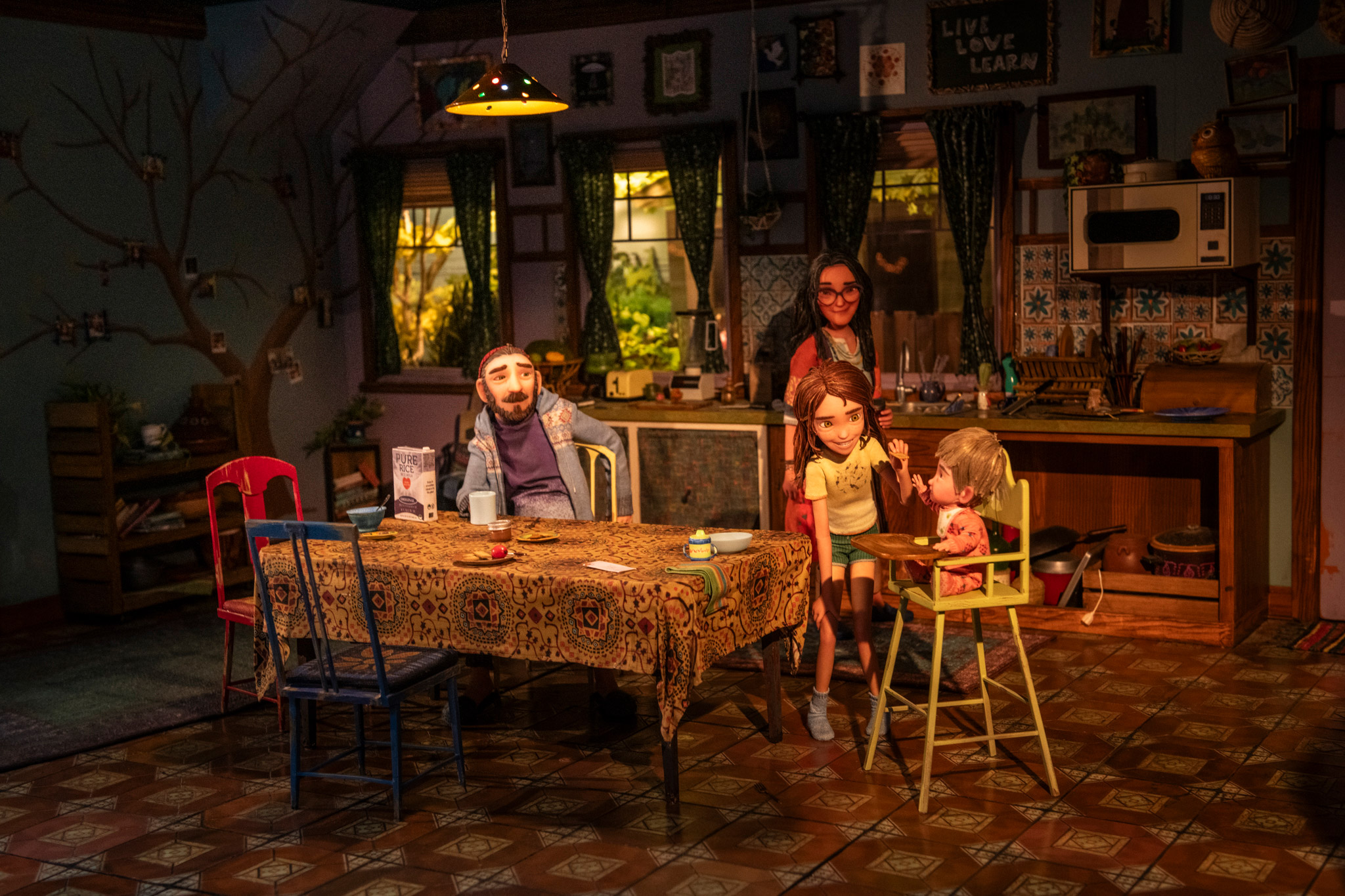
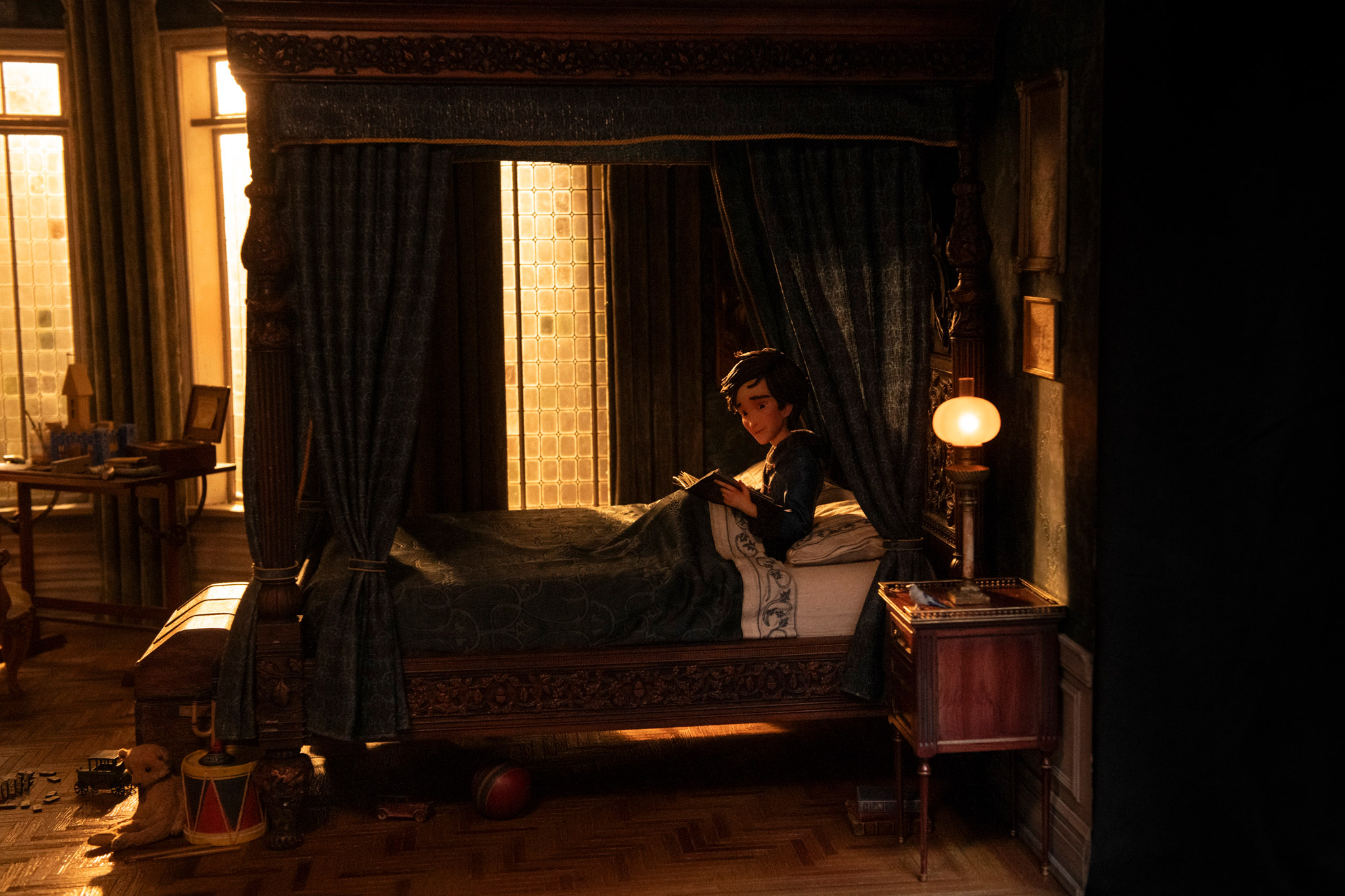
Adapted from writer Colin Meloy and illustrator Carson Ellis’ 2011 novel of the same name, Wildwood draws heavily on the natural environment around Laika’s home in the Pacific Northwest. “There is so much variety of natural beauty in Oregon, we were spoiled for choice,” production designer Nelson Lowry tells CR. “I also live on the edge of Forest Park, so inspiration was five minutes away.”
In the film, the eponymous forest is treated as a character in its own right, although according to Lowry, translating nature into sets for stop-motion is tricky work. “We’ve probably all had the experience of taking a picture in a beautiful landscape to share with friends only to see in retrospect that the photo doesn’t represent our experience,” he says. “That can be a pitfall of building sets as well.
“We created models of trees and rock shapes and laid blankets over them to observe what would become the under-structure of our forest. We wanted the world of Wildwood to feel like it existed before the film and after … as if we just dropped in to tell a story. With artwork and a lot of look development (building sections of sets as tests) we attempt to build something that has that ‘wow’ factor.”
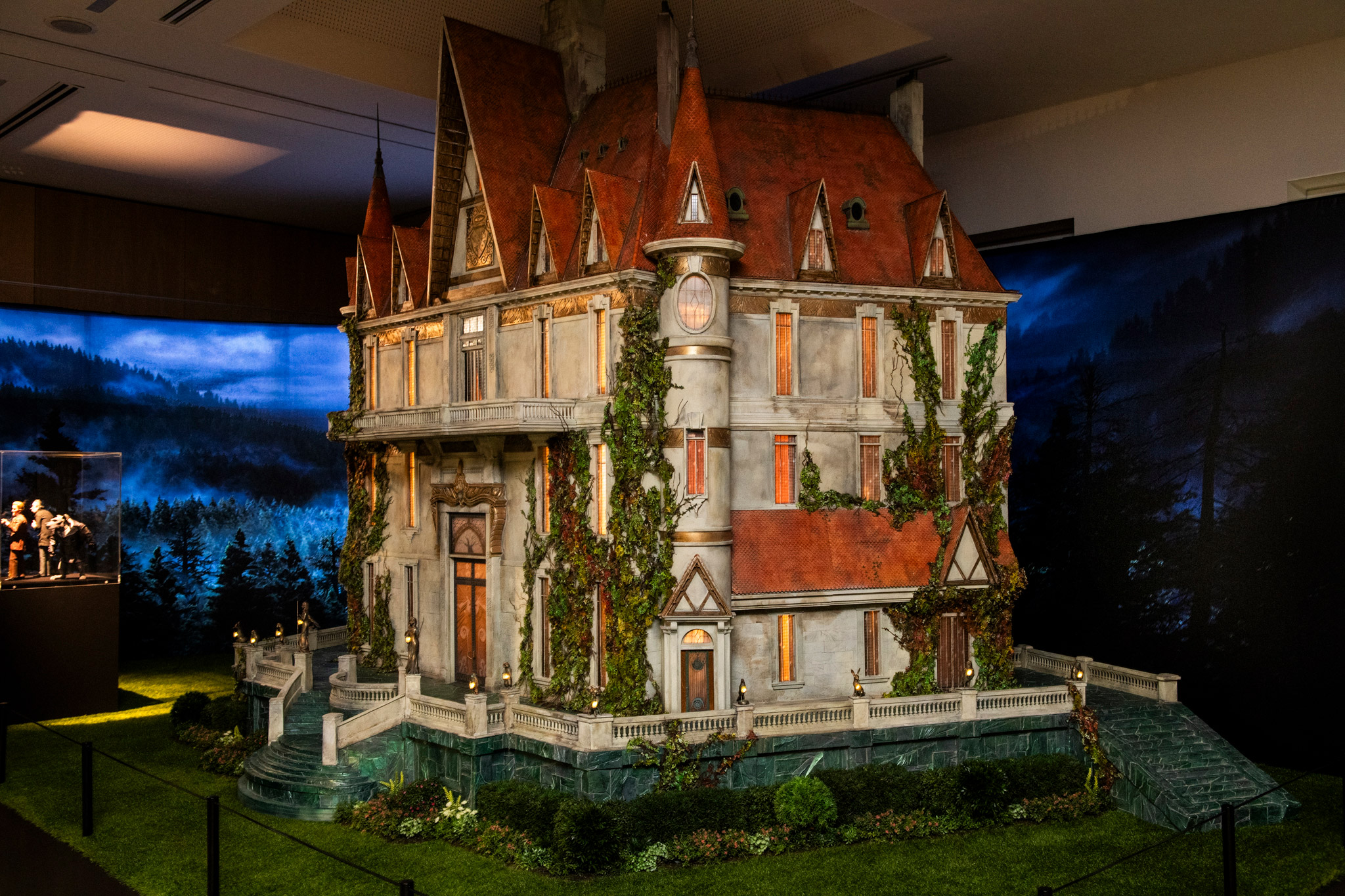
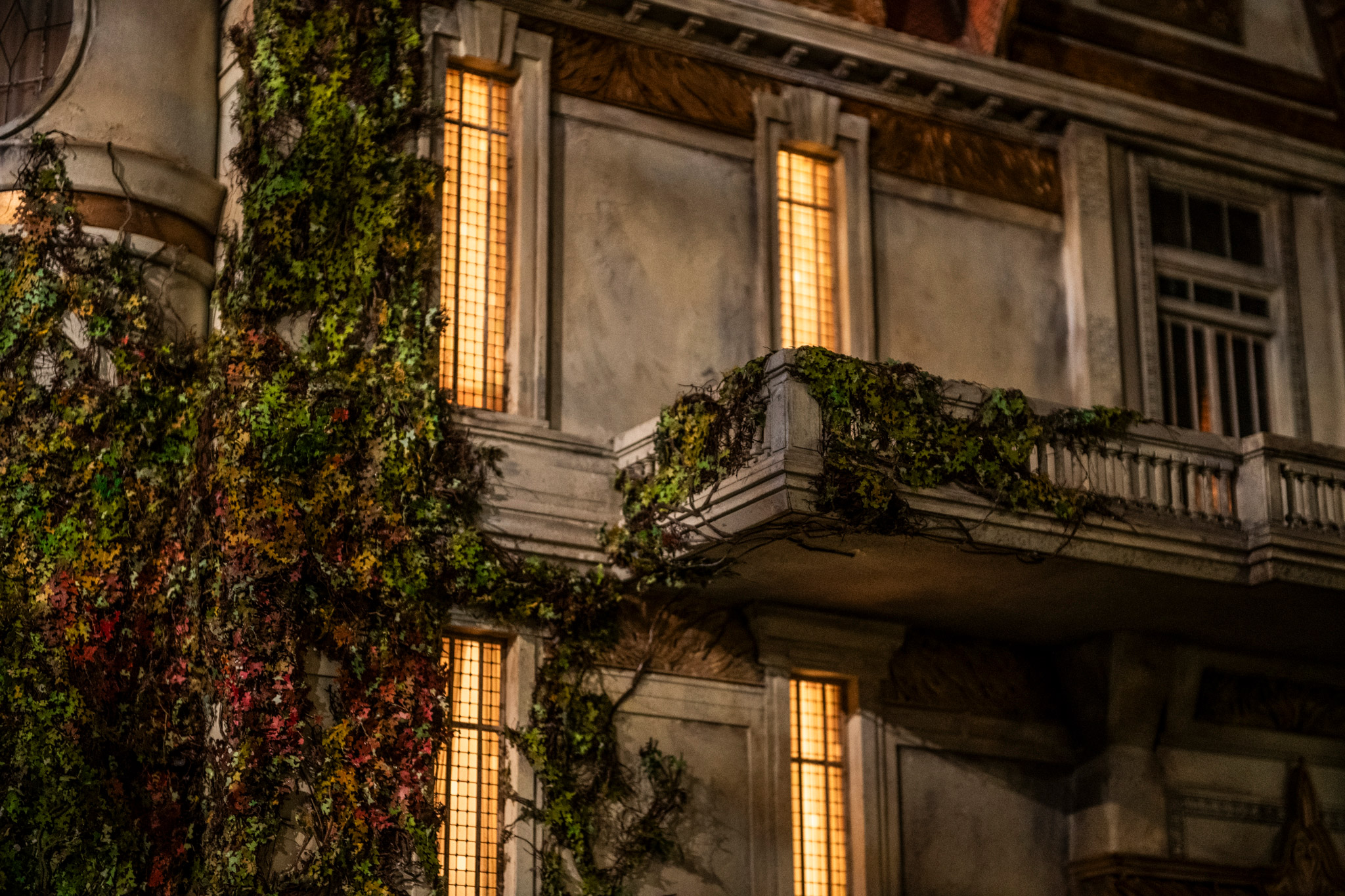
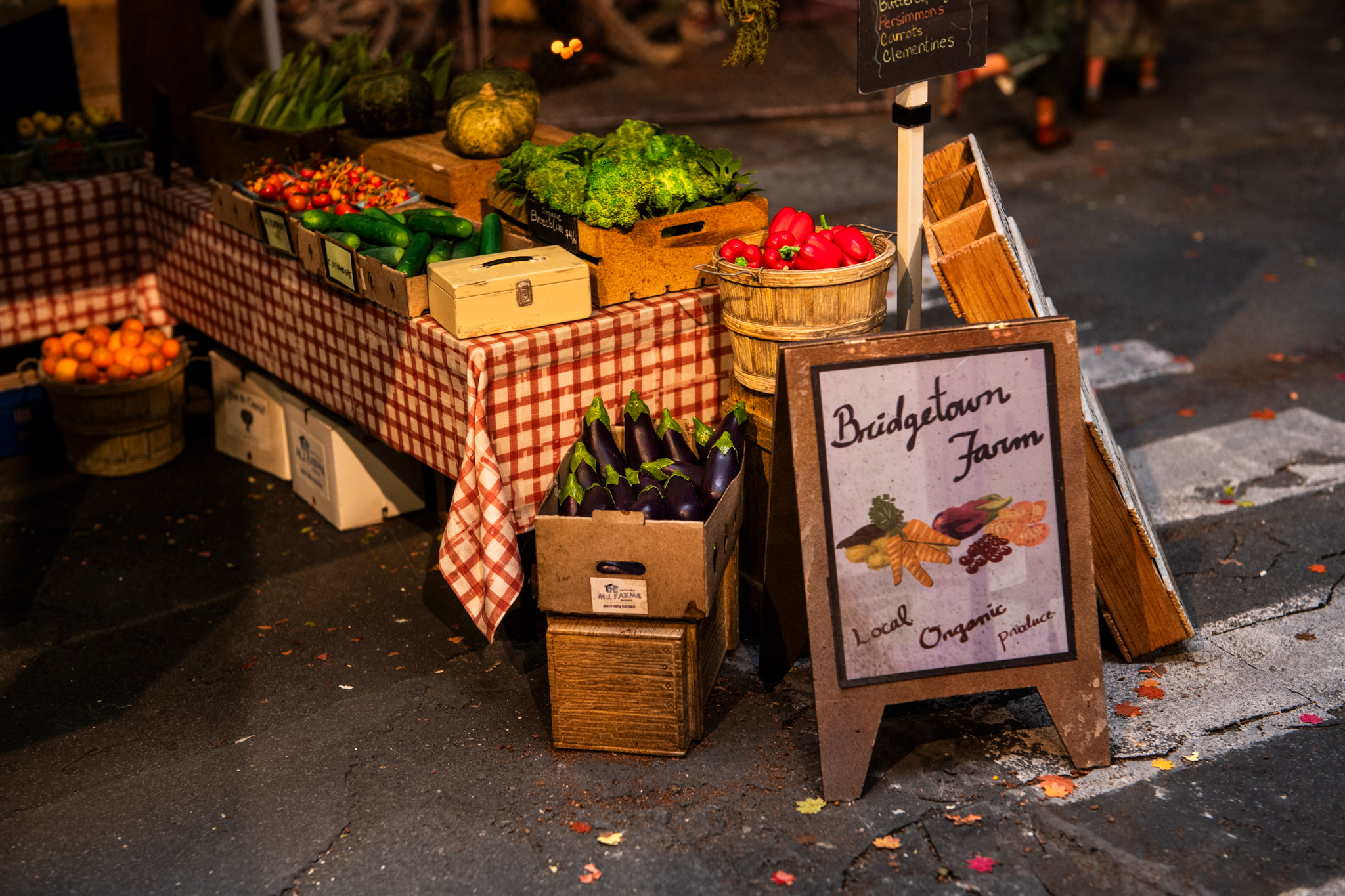
There is certainly no shortage of that here. Among the hundreds of objects on display, tiny sections of scenery reveal the astonishing amount of texture and detail that Laika packs into what might ultimately occupy only a few seconds of screen time. Elsewhere, puppet armatures expose the mechanical skeletons hidden beneath characters’ fur or skin, while assorted materials, costumes and props demonstrate the sheer volume of making that is required to capture a frame-by-frame performance.
Of course, Laika has been at this for some time now, sparking the imaginations of viewers young and old with films such as Coraline, ParaNorman, The Boxtrolls, Kubo and the Two Strings and Missing Link. After 20 years, however, Lowry says the design process is as “practised and well-defined” as ever.
"We wanted the world of Wildwood to feel like it existed before the film and after … as if we just dropped in to tell a story."
“We start with references – paintings by famous landscape artists, photographs and colour ideas – I play ‘hot and cold’ with the director [Travis Knight in the case of Wildwood], and then we launch into sketches.” Once approved, the artwork effectively becomes the “bible” for the production.
Then comes what Lowry describes as his favourite stage. “We take areas of the artwork and build them as tests to be lit on stage and presented to the director in the theatre.” It’s from this moment that construction of the physical sets can begin and the film starts to take shape. For Wildwood, 136 locations were designed across 104 stages, with 49 animators working with the wider team to capture all 2,775 shots that make up the film. Meanwhile, a total of 236 puppets were created – among them a life-sized golden eagle with a five-foot wingspan.
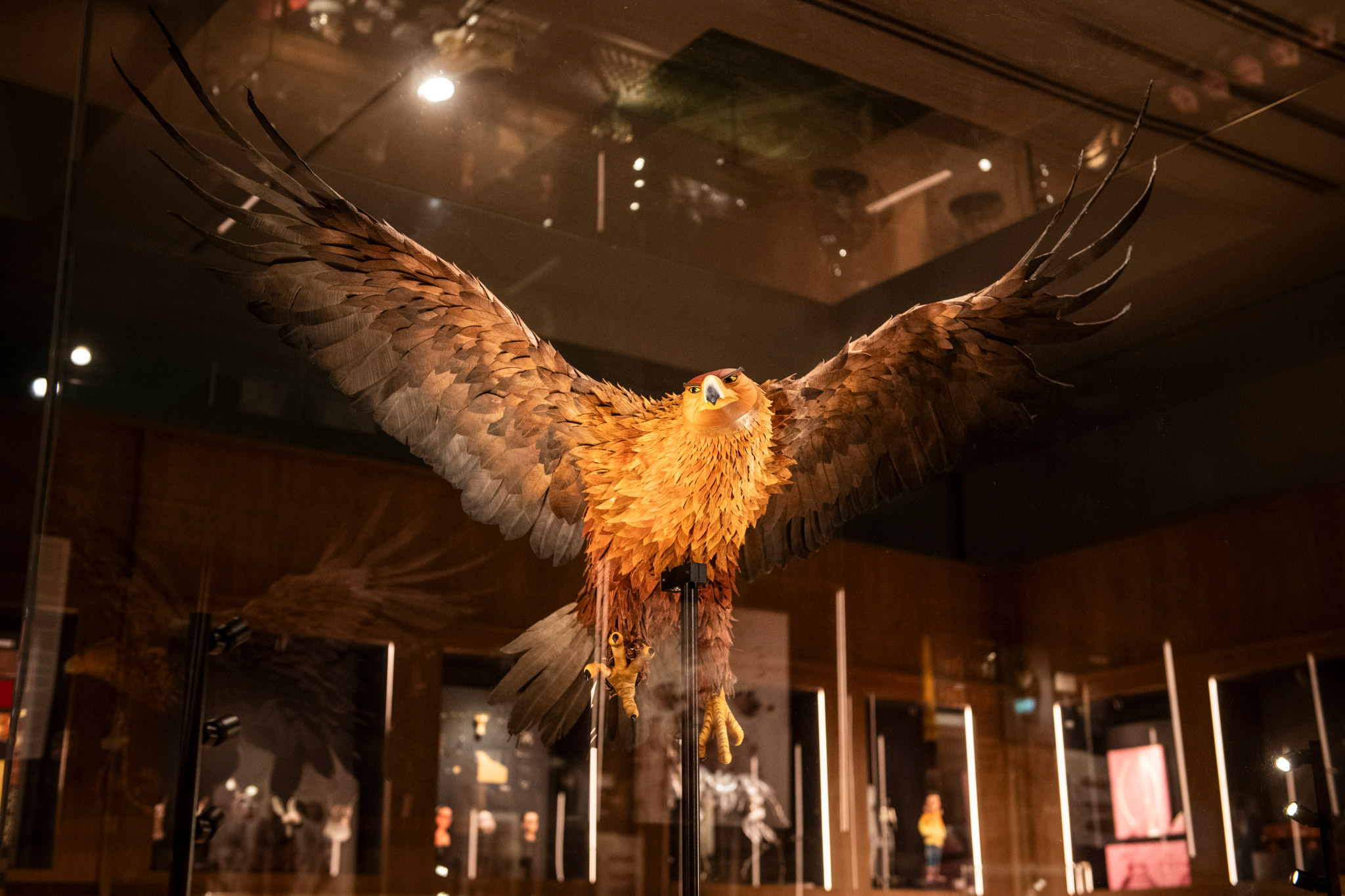
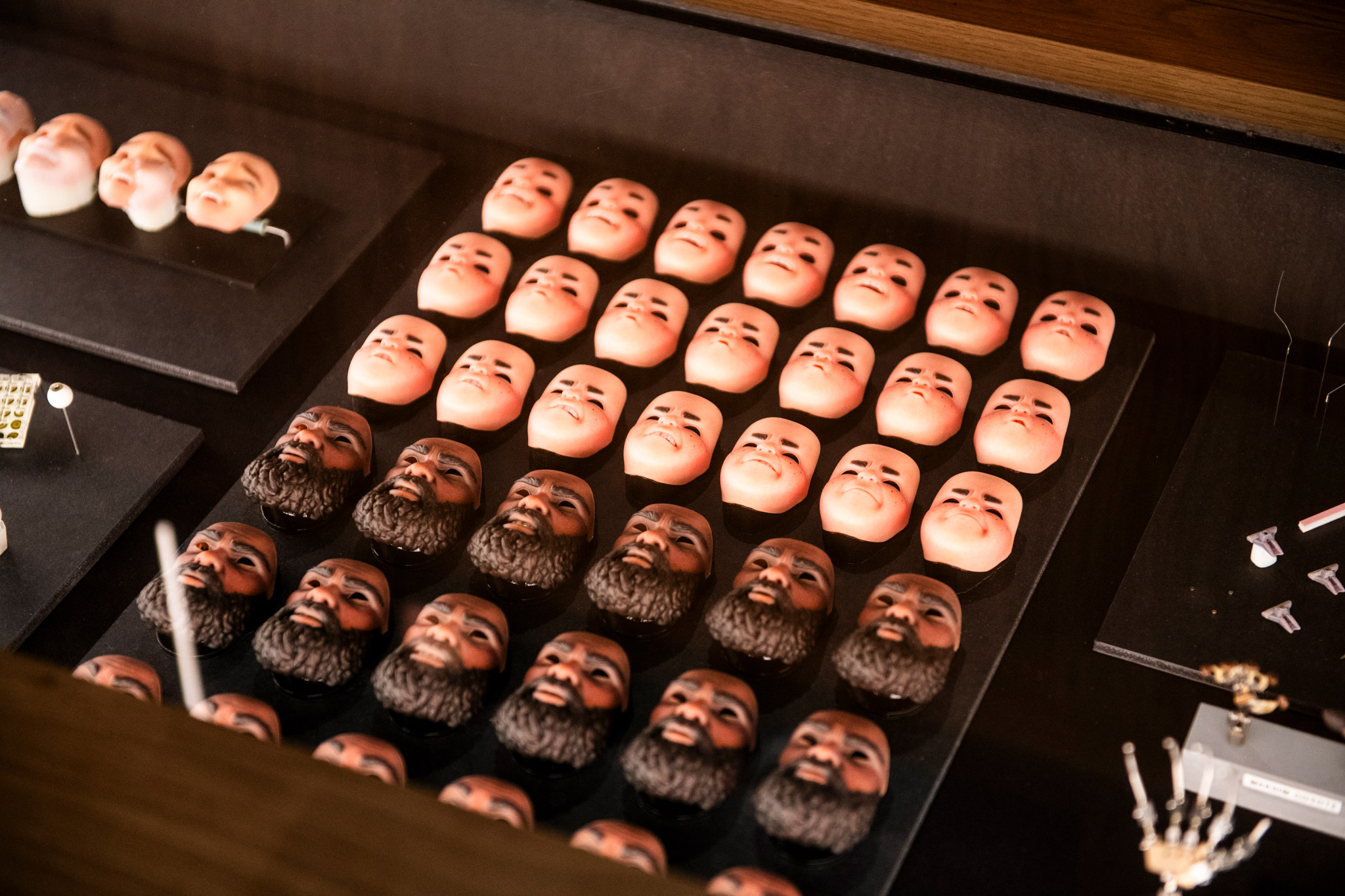
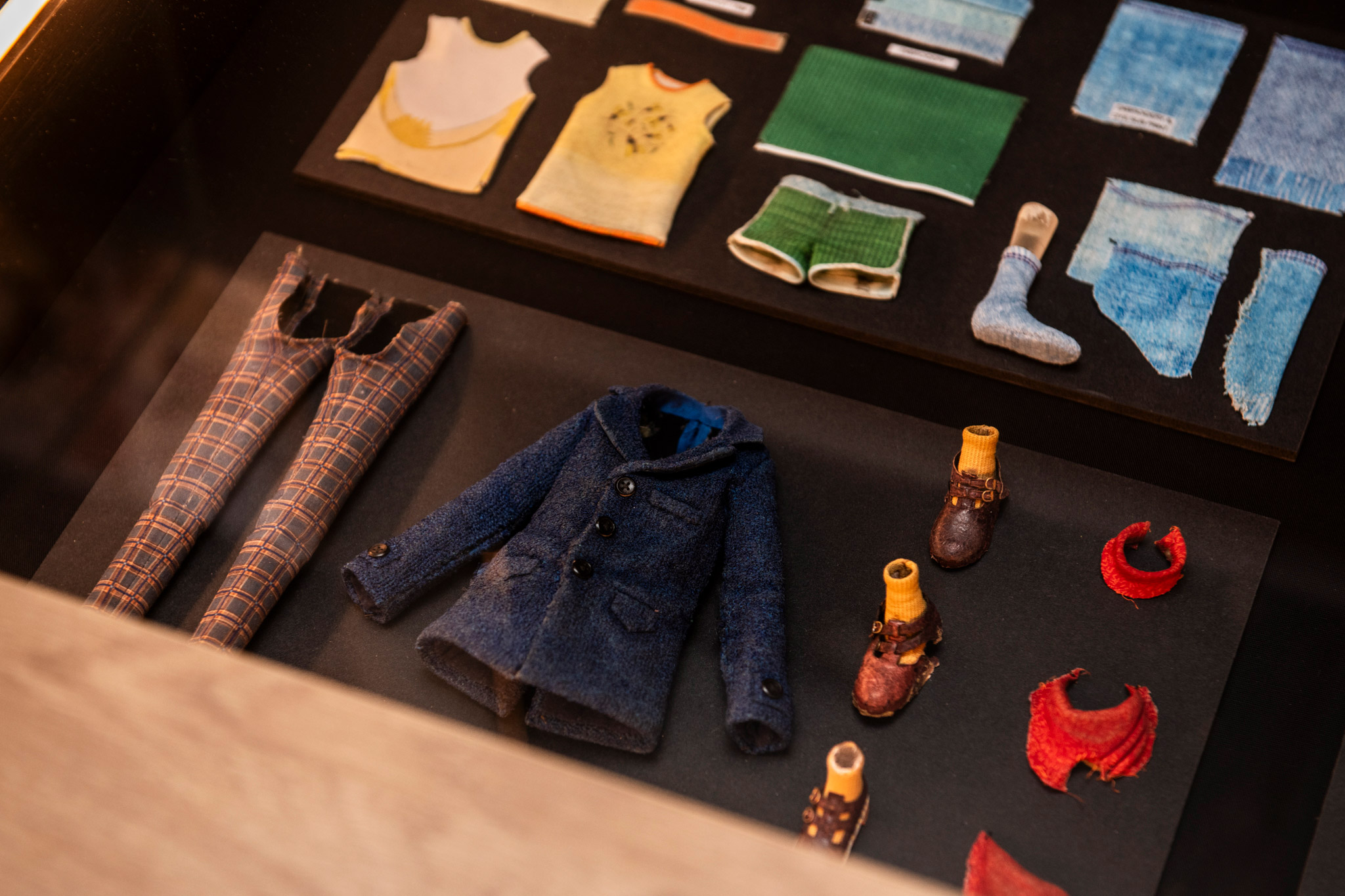
Most of the physical design assets were digitally scanned so that Lowry and his team could easily incorporate them into the visual effects pipeline, while the larger sets were extended using VFX where building everything physically would have been impossible. Digital printing was also used for characters’ faces and some props. “Anything that gets us there is utilised,” he says.
That combination of traditional craft and cutting-edge tech is central to Laika’s appeal. Behind each fantasy world is an enormous amount of physical design and engineering. The core creative team has now worked together for nearly two decades across six films (parts of which are on display for free on the museum’s mezzanine level), and this exhibition places that accumulated expertise in full view. It is a genuinely awe-inspiring education in what it takes to create stop-motion magic on screen.
Wildwood: The Exhibition runs at the Design Museum until January 10. Wildwood is released in cinemas on October 23; designmuseum.org
Source: Creative Review